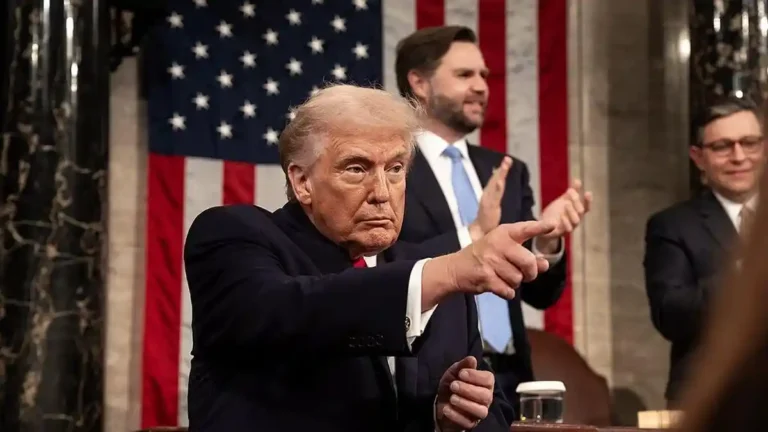
DOHA — Gulf nations are grappling with an increasingly acute geopolitical dilemma following escalating economic pressure exerted by the United States under Donald Trump against Iran. The energy-rich region finds itself caught between the demands of loyalty to its strategic alliance with Washington and defense vulnerabilities in the face of potential retaliation from Tehran.
As reported by Al Jazeera, this shifting dynamic in international politics has emerged as Washington alters and tightens its approach toward Iran. An increasingly aggressive U.S. foreign policy enforcing economic restrictions on Tehran has placed America’s regional partners directly on the front lines of immediate threats.
Security Dependence on the U.S. Defense Umbrella
For decades, the Gulf monarchies have positioned themselves as pivotal allies for the United States in the Middle East. This defense partnership has materialized through the hosting of military facilities, naval fleet bases, and extensive intelligence cooperation across strategic locations in the Gulf region.
The U.S. military presence in the region has long been viewed as a guarantor of stability and a deterrent against external aggression. In exchange for the advanced defense protection provided by Washington, Gulf states are frequently expected to align with the White House's foreign policy agenda, including the enforcement of economic sanctions aimed at restricting Iran's financial room to maneuver.
The Looming Threat of Tehran's Missile Retaliation
Despite their strategic partnership with Washington, active involvement in the U.S. economic sanctions framework carries potentially fatal security consequences for Gulf nations. Close geographical proximity, separated only by narrow waterways, places critical infrastructure across Gulf states squarely within the strike range of Iranian missile and drone arsenals.
If Gulf states openly and consistently support measures to economically strangle Iran, they face a tangible risk of becoming direct targets of Tehran's retaliation. Oil processing facilities, commercial ports, and urban centers along the Gulf coast stand as soft targets vulnerable to crippling strikes should open military confrontation erupt.
Complex Calculations Amid Washington's Shifting Strategy
This precarious situation is further complicated as Washington under Donald Trump continues to overhaul its diplomatic approach and military pressure. Shifting stances and policy directives from the White House have forced Gulf leaders to carefully navigate their options to safeguard national stability.
On one hand, ignoring U.S. sanctions demands could strain diplomatic ties and erode the security guarantees provided by Washington. On the other hand, blind compliance with U.S. directives risks provoking an armed confrontation that could devastate economic growth and trigger prolonged conflict escalation across the Middle East.
Source reference: AcehTribunnews – Sanksi atau Rudal? Negara Teluk Terjebak Dilema di Tengah Tekanan Trump terhadap Iran
Read this article in Bahasa Indonesia.